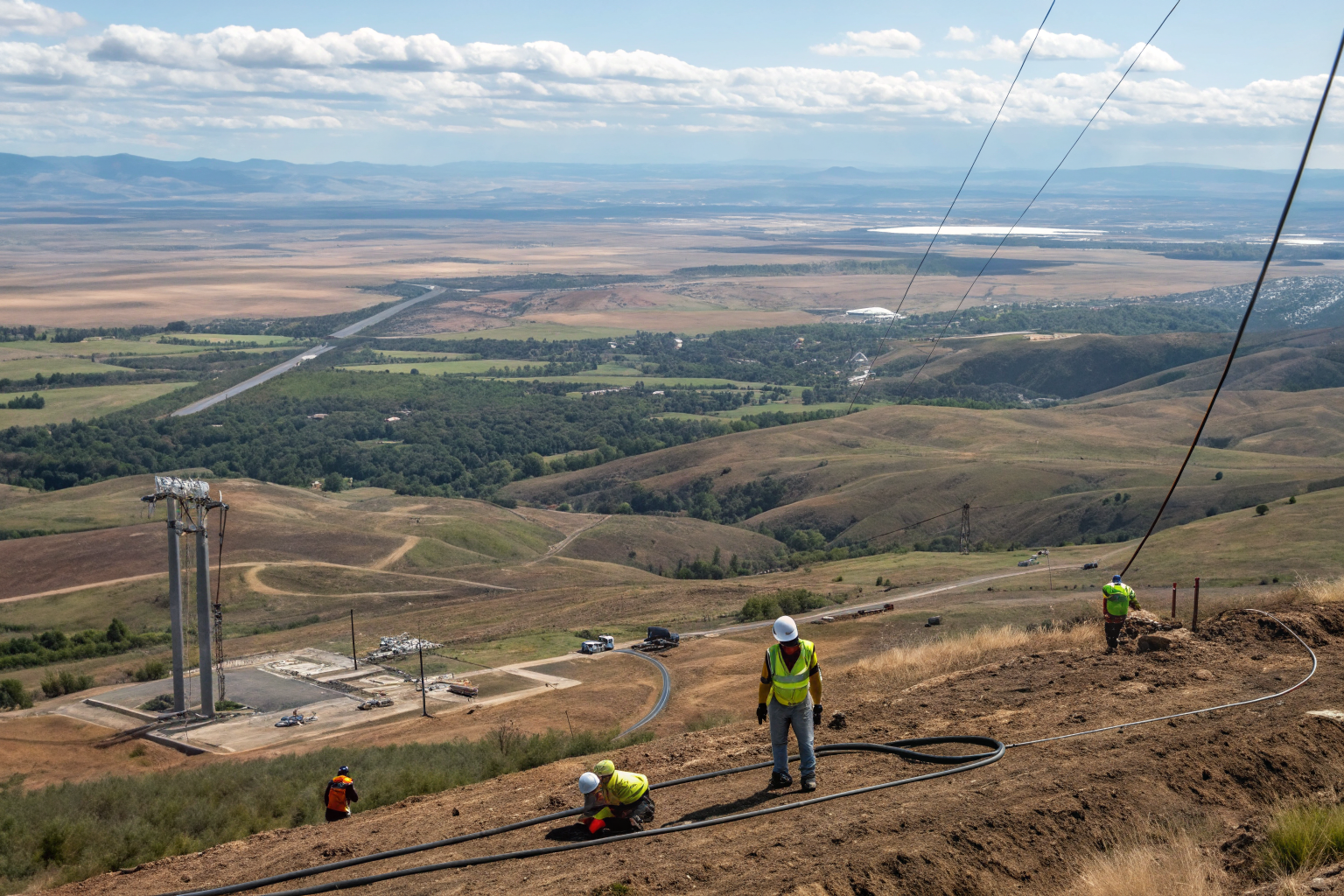

Distributed field teams fail when you treat them like co-located operations. This guide shows how assignment-based workflows, real-time status visibility, and on-site data capture transform scattered technicians into a coordinated operation—without adding administrative overhead.
Plant maintenance teams lose hours daily to disconnected systems—technicians complete repairs hours before the back office knows. Real-time field service eliminates that gap by connecting field work directly to maintenance records and operational planning, so dispatch decisions, spare parts, and asset histories reflect what’s actually happening in the field.
Most operations teams run field dispatch, maintenance planning, and asset records in separate systems. The coordination gap creates hidden costs: technicians arrive unprepared, preventive maintenance gets skipped, and emergency work dominates. Unified field service and plant maintenance software fixes this by bringing dispatch decisions, scheduling, and asset data into a single operational view.
Plant maintenance teams juggling email, spreadsheets, and standalone tools lose visibility on priorities, asset history, and true maintenance costs. A unified workflow connects work order creation through field execution to completion tracking—so technicians have context, supervisors see real-time progress, and finance understands actual maintenance ROI.
Maintenance teams scattered across locations repeat diagnostic work, miss service intervals, and build budgets on guesses instead of data. Unified asset lifecycle management connects field work orders to asset records so operations and finance see the same maintenance history, preventing duplicates and emergency repairs.
Equipment failures, missed maintenance schedules, and budget overruns point to fragmented maintenance workflows. A centralized asset maintenance system eliminates these gaps—giving operations visibility into what’s planned, field teams the information they need on-site, and finance predictable costs instead of reactive emergency spending.
Most field service operations manage assets reactively—until critical equipment fails unexpectedly. Centralized asset lifecycle management shifts your team from emergency repairs to planned maintenance, reducing costs and improving reliability through data-driven scheduling and condition tracking.
When maintenance requests scatter across email and spreadsheets, critical information gets lost and equipment fails without warning. Centralizing work orders into a structured workflow connects intake, dispatch, execution, and closure—giving operations teams the visibility needed to prevent breakdowns instead of reacting to them.
Transitioning to ViDA-compliant ERP architecture for EU expansion isn’t just a technical challenge—it’s a strategic
Ever found yourself drowning in AMC contract management nightmares? 😫 Field service software with automated